BOGOR, West Java — Nasyiatul Aisyiyah’s Central Executive Board (PPNA), with support from the United Nations Population Fund (UNFPA), is training teachers and school principals on how they supervise students reproductive health education based on Islamic values at Muhammadiyah schools, madrasahs and Islamic boarding schools.
Held at Hotel Savero Bogor on October 22–25, 2026, the Training of Trainers (ToT) aims to equip educators with the knowledge and skills to guide adolescents through reproductive health issues accurately, responsibly and in ways that respect their age, needs and religious values.
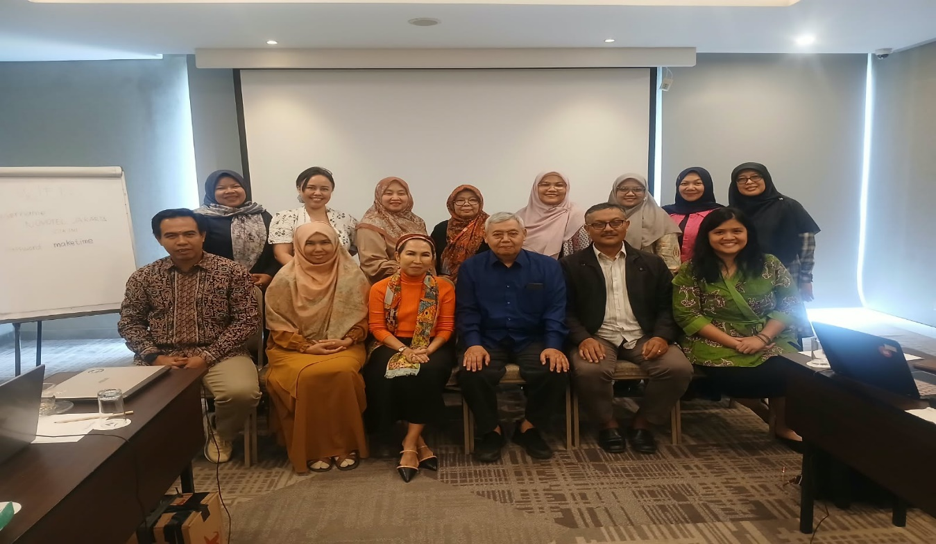
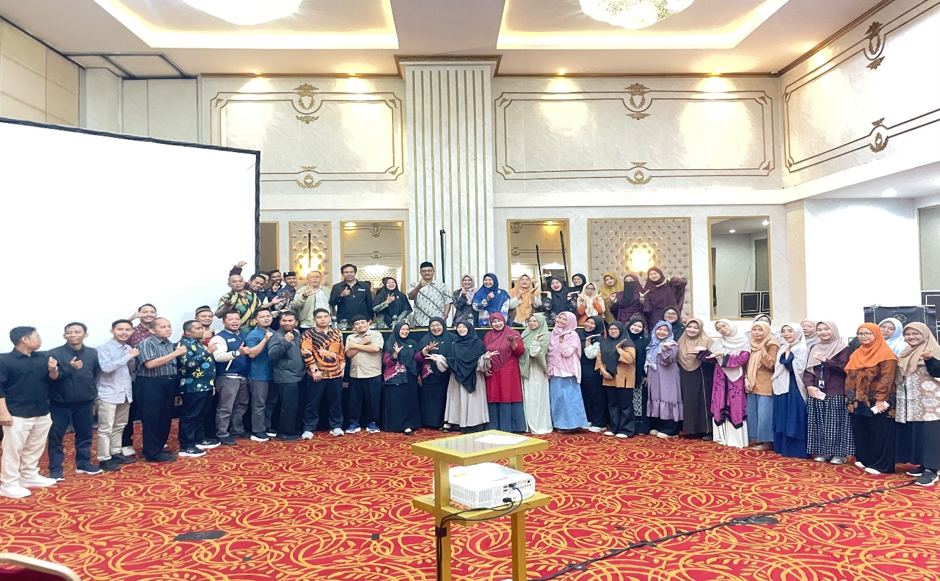
The training was opened by PPNA Secretary-General Desi Ratnasari and attended by UNFPA representative Margareta Sitanggang; representative from the Muhammadiyah Central Executive Board’s Primary, Secondary and Non-Formal Education Council (Majelis Dikdasmen PNF); and school principals, teachers and educators from several regions.
In her remarks, Desi said that the guidance for adolescence could not be left to Nasyiatul Aisyiyah alone. Teachers, counsellors and Islamic educators, including ustaz and ustazah in pesantren, play an important role because they interact with students daily and are often trusted adults when young people face difficult questions.
Adolescence brings physical and emotional changes that can leave young people confused, she said. Yet many do not feel comfortable asking adults about reproductive health and instead turn to the internet or friends, where information may be inaccurate or incomplete.
Desi said concerns about adolescent wellbeing must lead to practical action, including strengthening educators’ knowledge and communication skills. Reproductive health should be discussed in accessible, friendly and non-judgmental language so students feel safe asking questions and sharing concerns.
She urged participants to engage fully, exchange experiences and learn appropriate ways to discuss sensitive subjects. She also stressed the importance of a follow-up action plan, known in Indonesia as RTL, to ensure participants apply the training through education and mentoring in their institutions.
Margareta said young people need access to reliable reproductive health information and services to live healthy lives and reach their full potential. UNFPA, the United Nations agency concerned with population issues, supports efforts to strengthen young people’s knowledge and the capacity of those who guide them.
She acknowledged that reproductive health can be considered a sensitive subject, but said accurate information helps adolescents recognize risks, protect themselves, make responsible decisions and know where to seek help when problems arise.
Reproductive health education can also contribute to preventing sexual and gender-based violence by helping adolescents recognize unsafe situations, understand self-protection and learn what to do if they experience or witness violence. It can also help prevent teenage pregnancies that may interrupt education and affect young people’s future opportunities.
Margareta stressed that such education should be an ongoing process covering cognitive, physical, emotional and social development, rather than a one-off lesson. Materials should be introduced progressively according to students’ ages and developmental stages, from primary and secondary schools to madrasahs and pesantren.
In these settings, she said, reproductive health education should respect religious values, local culture and human dignity. It should not begin solely with sexual behaviours, but also address personal values, self-understanding, rights and responsibilities, and healthy relationships.
She added that UNFPA was working with relevant ministries, Muhammadiyah and other religious organizations to develop learning materials for teachers and Islamic educators.
Lia Karisma, head of the organizing committee, said educators’ readiness was crucial to implementing reproductive health education in schools and pesantren. The training therefore combines conceptual learning with communication practice and the development of educational scenarios that participants can use in real classroom and mentoring situations.
The program covers five modules: basic concepts of adolescent reproductive health education; reproductive health from an Islamic perspective; communication techniques and educational scenarios; adolescent reproductive health services and referral systems at community health centers, known locally as Puskesmas; and the preparation of follow-up action plans.
Mawar Nita Pohan., and Titeu Herawati, are scheduled to deliver sessions on adolescent reproductive health. Aabidah Ummu Aziizah will discuss the Islamic perspective, while Shelviana Handayani, will talk about Puskesmas services and referral mechanisms. Whie Risang Rimbatmaja, will lead sessions on communication techniques and educational scenarios.
In practical sessions, participants will practice explaining reproductive health topics in language adolescents can understand, while remaining sensitive to their ages, needs and values.
The training targets 68 participants from educational institutions, government bodies and community organizations. They include representatives of the Ministry of Primary and Secondary Education, the Ministry of Population and Family Development, Nahdlatul Ulama’s Maslahat Family Movement, PPNA, and Muhammadiyah bodies responsible for education and pesantren development.
Participating Muhammadiyah schools, madrasahs and pesantren come from Central Java, Lampung and the Special Region of Yogyakarta. Each institution sends two representatives: a principal or vice principal responsible for curriculum, and a guidance and counselling teacher or an Al-Islam and Kemuhammadiyahan teacher.
Organizers expect this mix to help integrate reproductive health education into institutional programs, rather than leave it to individual teachers.
At the end of the training, participants are expected to present their RTL plans, setting out how they will apply the learning in their respective institutions. Through its collaboration with UNFPA, PPNA hopes to expand access to responsible, age-appropriate reproductive health education and help young people grow into healthy, informed and responsible individuals guided by Islamic values. It seeks stronger links between schools and local health services.